Signs of Skin Cancer: A Complete Guide to Detection and Warning Signs
As the sun in South Gippsland can be intense for outdoor workers and rural residents, this guide covers how to spot the early signs of skin cancer and when to seek professional care.
The Three Most Common Types of Skin Cancer
Australia has one of the highest rates of skin cancer in the world, and rural areas like Koo Wee Rup, VIC, are no exception. Outdoor workers and farming families across South Gippsland face prolonged UV exposure year-round. Understanding the main types can help you act sooner.
- Basal cell carcinoma (BCC) is the most common form. It often appears as a pearly or waxy bump, a flat flesh-coloured lesion, or a bleeding sore that heals and returns. BCC rarely spreads, but it can damage surrounding tissue if left untreated.
- Squamous cell carcinoma (SCC) may look like a firm red nodule, a rough scaly patch, or an open sore. People who spend long hours outdoors, such as those working on agricultural land around Pakenham or Lang Lang, can be at higher risk. SCC can spread if not caught early.
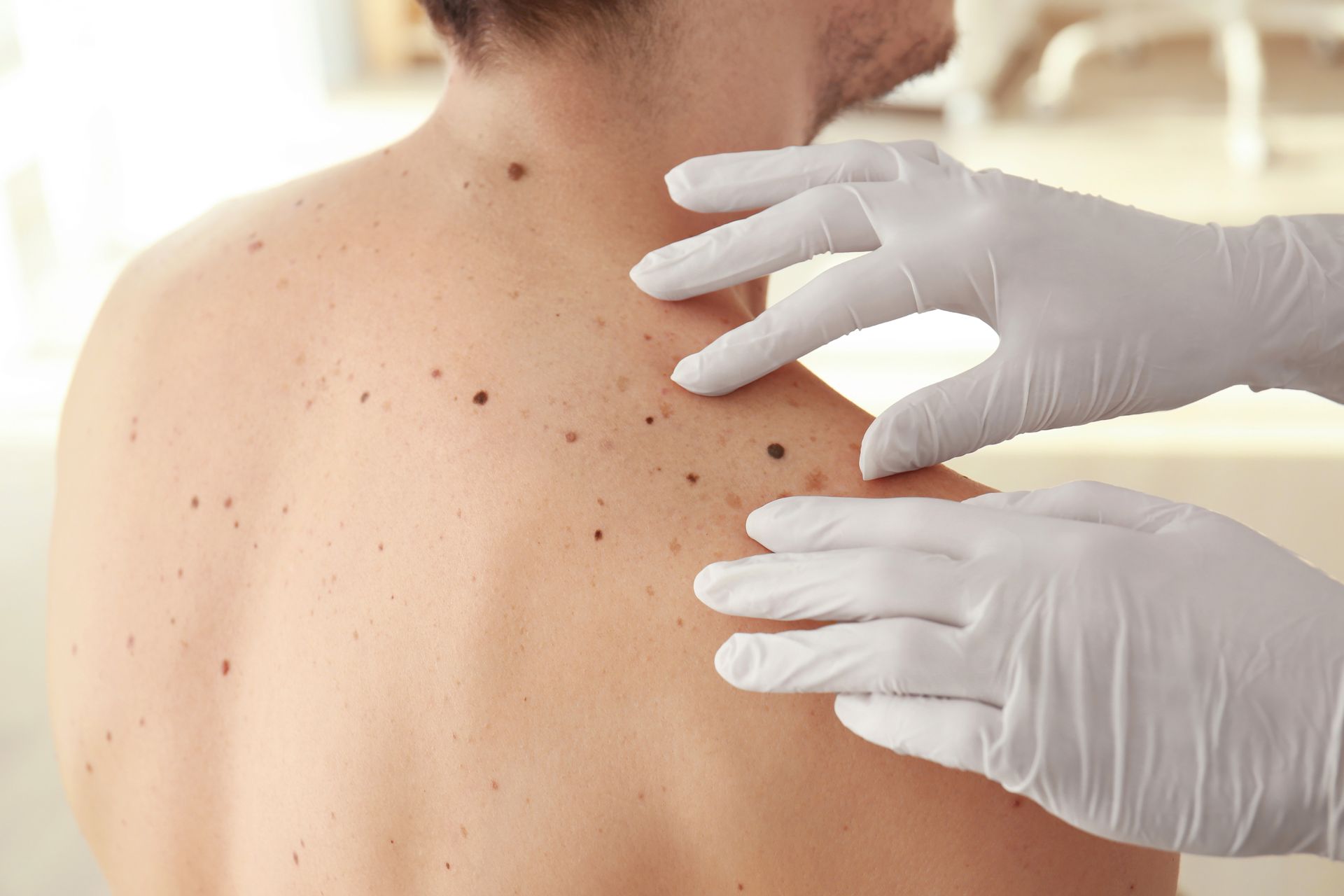
- Melanoma
is the most dangerous type. It can develop in an existing mole or appear suddenly on the skin. The ABCDE rule is a reliable starting guide.
What Is the ABCDE Rule for Melanoma?
The ABCDE rule helps you assess whether a spot may need professional review. Each letter stands for a key warning sign.
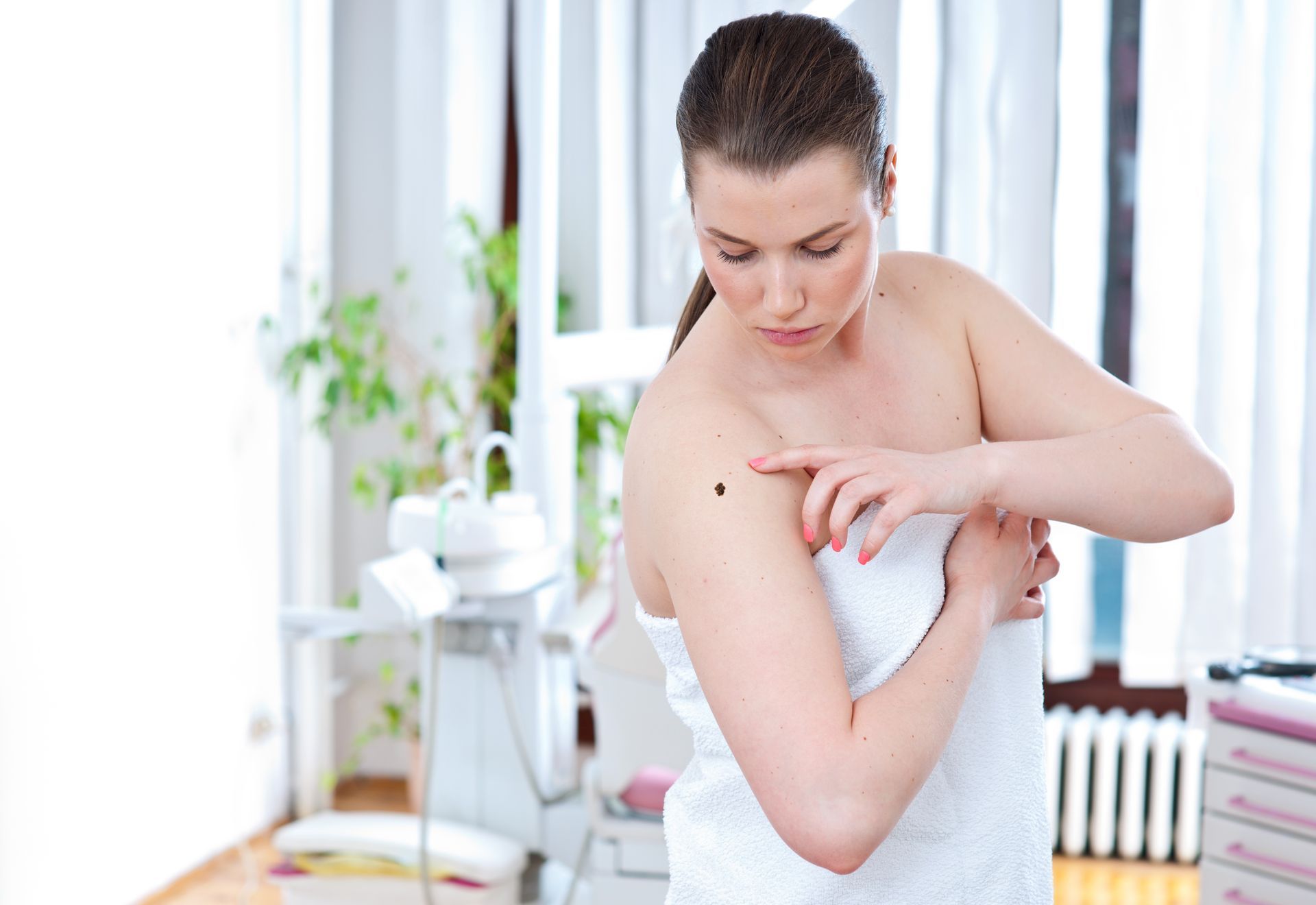
- Asymmetry: One half does not match the other half.
- Border: Edges are irregular, ragged, or blurred.
- Colour: Multiple shades of brown, black, red, or white within the one spot.
- Diameter: Larger than 6mm, roughly the size of a pencil eraser.
- Evolving: Any spot that changes in size, shape, colour, or feel over weeks.
If a spot matches one or more of these criteria, see a doctor promptly.
How Does Dermoscopy Aid Skin Cancer Detection?
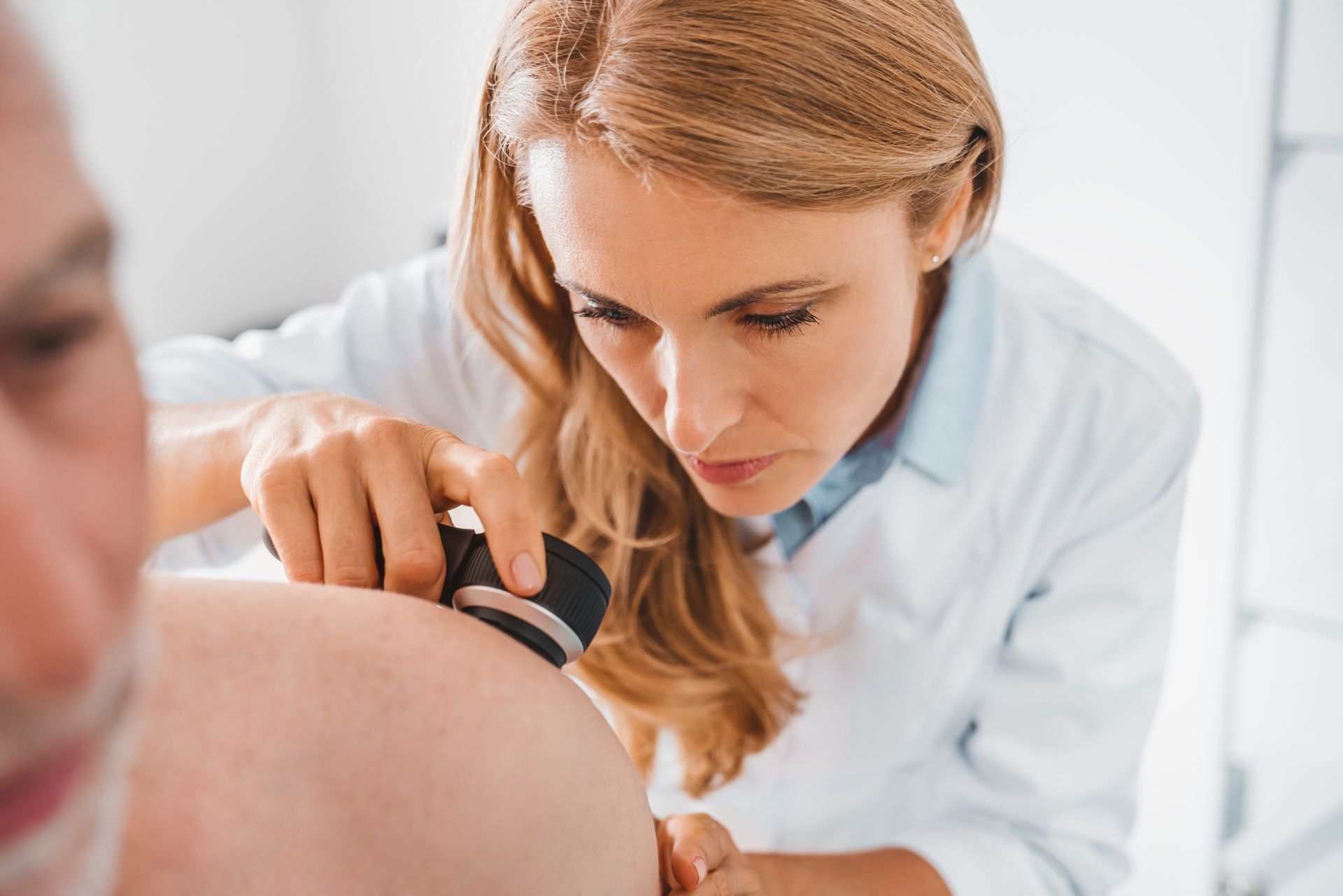
Dermoscopy
offers more precise lesion assessment than the naked eye alone. A dermoscope is a handheld device that magnifies the skin at high resolution, allowing a doctor to examine structures not visible to the unaided eye. This can help distinguish harmless moles from early-stage cancers, reducing unnecessary procedures. Clinics serving Koo Wee Rup, VIC, may use advanced digital dermoscopy systems to track changes in lesions over time.
When Should You Book an Urgent Appointment vs. a Routine Check?
Book urgently if a spot is bleeding without injury, growing rapidly over weeks, or changing noticeably in colour or shape. A keratoacanthoma, for example, can grow to over a centimetre in a matter of weeks and warrants prompt review.
A routine annual check is appropriate for most adults, particularly those over 40 with a history of significant sun exposure, fair skin, or a family history of melanoma. People working outdoors in the Cardinia and South Gippsland region may benefit from more frequent checks.
Learn more about
treatments available at the clinic.
Take the Next Step With Icarus Skin Cancer Clinic
Early detection may be the most important factor in successful treatment outcomes.
Icarus Skin Cancer Clinic, serving Koo Wee Rup, VIC, and surrounding areas including Pakenham, Cranbourne, and the Shire of Cardinia, offers full-body skin checks and advanced dermoscopy assessments. Call
1800 422 787
or
03 5925 2000
to book your appointment, or find the clinic on Google Maps at
Icarus Skin Cancer Clinic. Do not wait for a spot to become a problem before getting checked.